Dental Care Abroad and French Patient Information
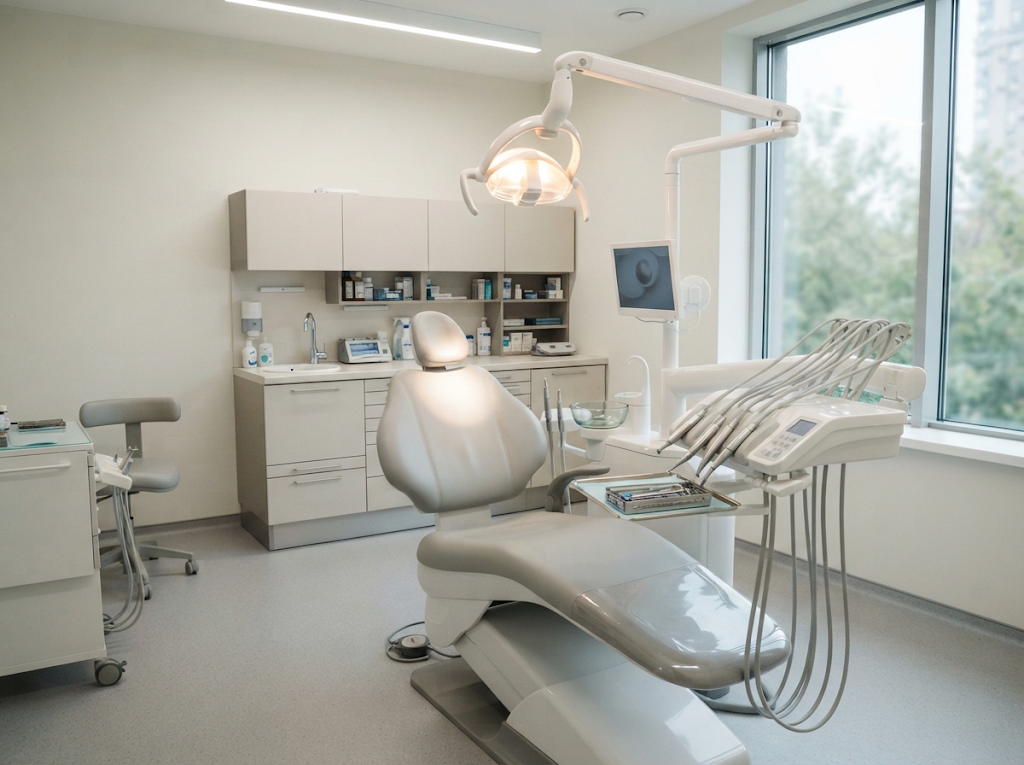
A visit to the dentist is rarely anyone's favourite appointment, and it becomes harder when the patient does not fully understand what is being said. Clinics in France, Belgium, Switzerland and Quebec welcome many international patients, from students and expatriates to people who travel for treatment. Forms, consent papers, treatment plans and aftercare instructions all rely on precise language. In dental care, clear information is part of the treatment, because patients who understand the plan are more likely to follow it and less likely to suffer complications. This guide explains how clinics and patients can handle translation for dental and orthodontic care in French.
Documents a Dental Patient Meets
Typical documents include registration forms, medical history questionnaires, consent forms, treatment plans with price estimates, X-ray reports, prescriptions, referral letters, aftercare sheets and invoices for insurers. Each has a different purpose, and each must be correct. The World Health Organization offers information on oral health at who.int, which can serve as a reference for plain-language patient education.
Medical History Must Be Exact
A medical history form asks about allergies, medicines, chronic illnesses and previous operations. A misunderstood question can lead to dangerous omissions, for instance a missed allergy to an anaesthetic. Provide the form in the patient's language, and let the patient ask questions. If a patient brings records from another country, have important parts translated so that the dentist can read diagnoses and medicines without guessing.
Consent Needs Understanding
Informed consent means that the patient knows what will be done, why, what the alternatives are and what the risks are. A signature on a form that the person cannot read does not meet this standard. Provide consent forms in French, use simple words and avoid unexplained abbreviations. Staff should offer a short conversation, and if needed an interpreter, before the patient signs.
Treatment Plans and Costs
Treatment plans list procedures, materials, number of visits and costs. Dental terms vary, and a crown, an inlay or a bridge may be described differently from one country to another. A good translation keeps the structure of the plan and explains terms in plain words. A provider of french translation services with medical experience can prepare these documents so that patients, insurers and clinics all work from the same information, with prices and dates presented in the format used in the destination country.
Insurance and Reimbursement
Many patients need to submit invoices and reports to an insurer. Insurers often require translations that follow the original exactly, including procedure codes, dates, tooth numbers and totals. Note that numbering systems for teeth differ between countries, and the translator should keep the original numbers and add a clear explanation. Keep copies of all documents, since reimbursement can take weeks.
Aftercare Instructions
After an extraction, an implant or a root canal, patients receive instructions on pain relief, diet, hygiene and warning signs. These instructions must be short, accurate and easy to follow. Mistakes can lead to infection or failed treatment. Provide a French version with the clinic's emergency number clearly shown, and tell the patient when to call. For related reading on the language pair, see this article on French to English translation.
Children and Orthodontics
Orthodontic treatment often lasts for years and involves children, parents and sometimes several appointments with different specialists. Explain the plan, the duties of the patient, such as wearing elastics, and the cost in a language that both parents and children can follow. Use pictures where possible. A motivated patient who understands each step is more likely to finish the treatment successfully.
Privacy and Data Protection
Patient records contain sensitive data. Clinics must follow privacy rules, and patients should receive notices on how their data is used, stored and shared. Translate these notices, and make sure that translators and interpreters sign confidentiality agreements. Share files through secure channels, and avoid sending sensitive photos or X-rays by ordinary email.
Websites and First Contact
Many international patients find a clinic online. A website with clear French pages on services, prices, opening hours and how to book builds trust. Describe treatments in plain language, add a glossary of common dental terms and explain how payment and insurance work. Respond to enquiries quickly, since patients often compare several clinics before they choose.
Building a Welcoming Practice
Train reception staff in key phrases, and keep a list of approved translations for forms and information sheets. Ask patients for feedback about how well they understood their treatment, and improve the materials accordingly. A practice that communicates clearly in French earns the trust of international patients, and that trust is the foundation of good care.
Emergencies and Out of Hours Care
Dental emergencies rarely happen during office hours. Provide a French information sheet that explains what counts as an emergency, which number to call and where the nearest emergency service is located. Include simple advice for common situations, such as a broken tooth or severe pain, and make clear when a patient should go to a hospital instead.